
AI Innovation Center Development
We provide university departments with a full-stack AI Innovation Center solution — from architecture planning and platform development to operational empowerment. Based on the 'Three Platforms, Seven Centers' core framework, covering three technology foundations — the AI Research Platform, AI Development Platform, and AI Training Platform — along with seven applied research centers spanning legal compliance, public opinion, business intelligence, archive management, innovation incubation, large model application development, and proof-of-concept validation, we help departments rapidly build a distinctive AI-driven interdisciplinary innovation ecosystem.
One-Stop AI Innovation Center Development Solution
From architecture planning to hardware deployment, from platform building to operational empowerment — full-stack services helping departments rapidly build core competitiveness for the AI era.
Public Administration & Social Sciences Departments
'AI + Public Governance' distinctive positioning, six-in-one full-chain innovation ecosystem
Industry-University-Research Collaboration Platforms
Three-phase construction, on-demand configuration, steady progress
'Three Platforms, Seven Centers' Core Framework
Anchored by the Public Administration AI Innovation Center, three core platforms solidify the technology foundation while seven research centers delve into application scenarios — forming a structured, complementary organic whole.
AI Research Platform
Frontier Exploration Engine
Focused on frontier theory and methodology research in public administration, breaking through core algorithm bottlenecks to provide solid academic support and theoretical innovation momentum for the entire system.
AI Development Platform
Full-Stack Tool Foundation
Provides standardized, modular application development toolchains, lowering technical barriers and accelerating AI application prototyping and iterative delivery for public administration scenarios.
AI Training Platform
Computing Power Core
Integrates high-performance computing resources to support domain-specific large model pre-training, fine-tuning, and continuous optimization — ensuring stability and efficiency for complex model training tasks.
七大研究中心
深耕应用场景,构建学科交叉融合的研究矩阵
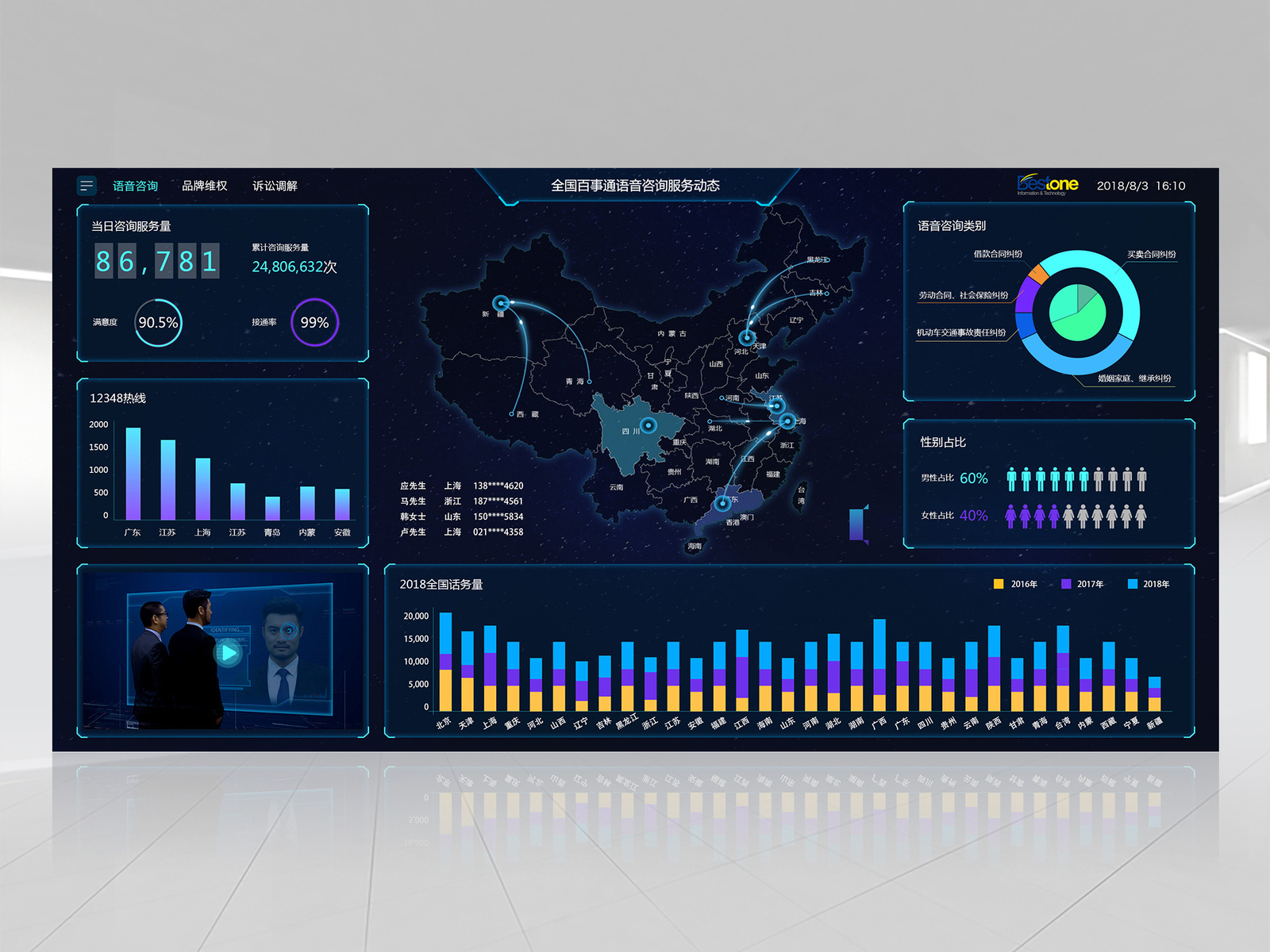
AI Compliance & Legal Affairs Research Center
Focused on public legal advisory and intelligent regulatory retrieval, establishing four core databases — regulations, case law, judicial interpretations, and local policies — and building a legal knowledge graph system. Deploying AI legal assistants and legal advisory chatbots.
AI Public Opinion Monitoring & Analysis Center
Covering all major channels including Weibo, WeChat Official Accounts, forums, news media, short-video comments, and overseas media — enabling real-time opinion collection, sentiment analysis, social risk prediction, and event evolution tracking with full-process intelligence.
AI Business Intelligence & Industry Analysis Center
Focused on listed companies, industry policies, and competitive landscape analysis, automatically generating company profiles, investment analysis reports, and investment promotion reports — building a one-stop AI consulting service platform.
AI Library & Archive Management Research Center
Covering digital archives, academic papers, and historical records, leveraging OCR recognition, knowledge extraction, and semantic retrieval technologies to enable automatic archive classification, auto-summarization, and knowledge graph construction.
OPC Innovation & Entrepreneurship Incubation Center
Providing full-chain support including project incubation, entrepreneurship training, business plan coaching, market analysis, and pitch training — helping teams achieve outstanding results in top-tier competitions such as 'AI+' and the 'Challenge Cup.'
AI Large Model Application Development Center
Deeply engaged in Agent development, RAG, MCP, multi-agent collaboration, knowledge base construction, and prompt engineering — building a high-caliber AI development capability training base to cultivate interdisciplinary AI application talent.
Proof of Concept (POC) Center
Serving as the critical bridge between research and industry, responsible for rapid validation of research outcomes and demo development, employing agile development methodologies to ensure every POC project advances efficiently.
Three Specialized Labs
Each accommodating approximately 40 people, building a complete development cycle from research exploration and application development to innovation practice. Equipped with high-speed network connections directly linked to the university's GPU computing center.
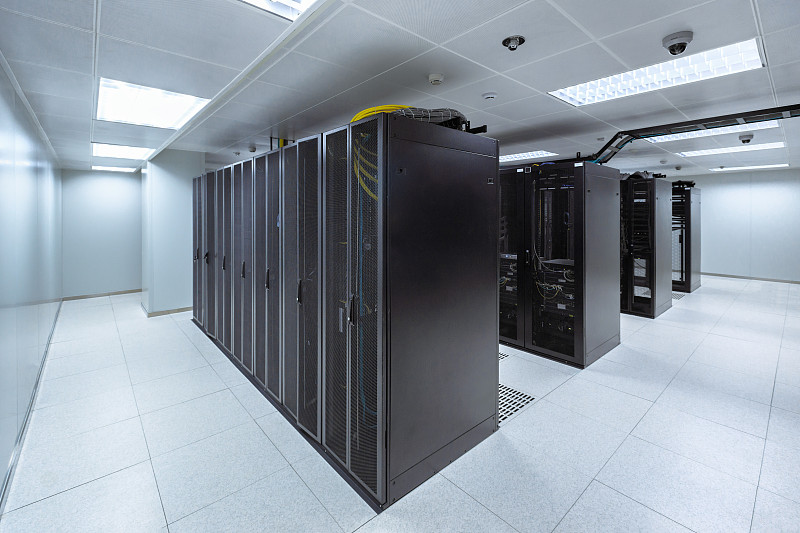
AI Data Intelligence Lab
Data Intelligence & Deep Research
Focused on public data analysis, data governance, knowledge graphs, and RAG technologies, with deep engagement in the Python data science stack. Serving doctoral students, faculty researchers, and frontier research teams.
AI Application Development Lab
Application Development & Engineering Practice
Covering AI Agent development, MCP, full-stack development (Java/Go/Flutter), and DevSecOps engineering practices. Serving master's and undergraduate students as well as corporate partnership project teams.
AI Innovation Training Lab
Innovation Training & Competition Exchange
Hosting skills training, academic competitions, hackathons, and professional course certification activities. Serving all enrolled students and corporate technical personnel.
Three Public Service Platforms
Providing data, technology, and resource service foundations for the Innovation Center, supporting the efficient operation of all research centers and labs.
AI Data Analytics Center
Provides end-to-end data processing capabilities from public data collection, ETL, OCR, and knowledge extraction to data governance and knowledge graph construction — delivering high-quality data support for upstream applications.
AI Application Development Center
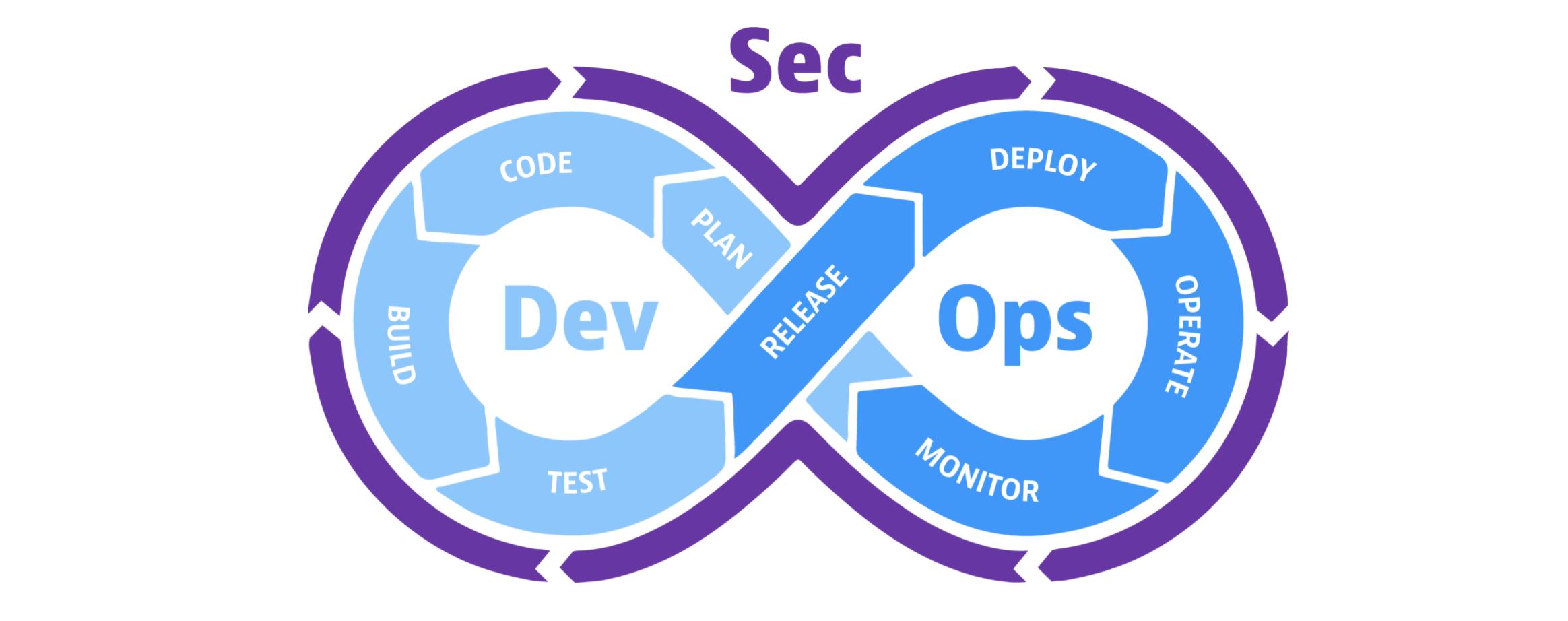
Deploys a complete DevSecOps toolchain integrating GitLab, Jenkins, Docker, K8s, and other core components — providing a unified, efficient, and secure AI application development and deployment platform.
AI Public Data Center
Aggregating multi-source heterogeneous data including government open data, legal and regulatory content, statistical data, and industry data — building a unified, on-demand shared public knowledge base to strengthen the data resource foundation.
Complete DevSecOps Environment & Computing Platform
A locally deployed integrated development and operations platform, leveraging the university's GPU computing center with multiple mainstream large models deployed and a unified API gateway.

DevSecOps Full-Process Platform
Locally deployed core components including GitLab, Harbor, Nexus, Jenkins, SonarQube, Keycloak, and MinIO — achieving automated pipelines from code management to security governance.
GPU Computing Power Sharing
Leveraging the university's established GPU computing center with high-speed campus network connections directly to the labs, supporting the full workflow from model development, debugging, and validation to inference.
Multi-Model Unified Gateway
Deploying mainstream large models including DeepSeek, Qwen, GLM, and Llama with a unified API gateway for convenient access and unified scheduling of model capabilities.
Security & Compliance Assurance
All platforms and models support localized offline deployment with data never leaving campus, meeting university data security and compliance requirements.
Phase 1 Construction Budget Breakdown
The initial phase focuses on lab infrastructure, core hardware, and three major software platforms — sufficient to launch a demonstration AI Innovation Center.
Lab Renovation (Basic Refurbishment)
No major civil works; focused on network, power, lighting, and wall surface upgrades.
DevSecOps R&D Platform Development
Deploy GitLab, Harbor, Jenkins, and related toolchains to establish a standardized secure development and operations environment.
3×6m LED Display
Phase 1 construction of a high-resolution large display serving as the core medium for results showcase, teaching demonstrations, and pitch presentations.
AI Data Center & Large Model Platform
Vector database, knowledge base governance, localized large models, RAG platform, and multi-model unified gateway.
Core Hardware Facilities
3 high-performance AI development workstations, 24-36 ergonomic workstations, switches/wireless APs/UPS, etc.
Talent Training & Project Launch
Faculty training, student AI innovation bootcamps, and R&D funding support for the first batch of POC validation projects.
Three-Phase Phased Implementation Plan
From foundational platform setup to capability deepening and technology transfer — phased investment with steady, progressive advancement.
Phase 1: Foundational Platform Setup
Foundation
- Complete the comprehensive lab
- Deploy DevSecOps, AI model, and public data platforms
- Launch the first batch of research projects
- Achieve capacity to support 30-40 faculty and students conducting concurrent research
Phase 2: Core Capability Expansion
Expansion
- Construct 2 additional specialized labs
- Build thematic knowledge bases
- Establish dedicated GPU computing power for the department
- Form scaled AI R&D support capabilities
Phase 3: Technology Transfer Demonstration
Full-scale
- Establish a school-level AI research center
- Build a government-industry-university-research service platform
- Pursue provincial/ministerial key laboratory designation
- Enable campus-wide access to Innovation Center resources
Building the 'AI + Public Governance' Brand
Centered on AI + Public Governance as the core positioning, fully leveraging the department's interdisciplinary strengths and efficiently integrating government and enterprise resources.
AI Government
Smart Government
AI-empowered public policy analysis, intelligent government Q&A, and administrative decision support — building a new paradigm for digital governance.
AI Society
Smart Society
Public opinion analysis, precision community governance, and social risk early warning — contributing to a new model of collaborative, participatory, and shared social governance.
AI Law
Smart Rule of Law
Inclusive public legal services with intelligent regulatory retrieval, in-depth judicial case analysis, and immersive legal education.
AI Research
Intelligent Research
AI-assisted thesis analysis, complex data processing, and research commercialization — stimulating academic innovation and enhancing research output efficiency.
Why Choose Our AI Innovation Center Solution
Six core advantages — an in-depth analysis of how we help departments build a distinctive AI-driven interdisciplinary innovation ecosystem.
Three Platforms, Seven Centers: Industry-Leading System Architecture Design
As artificial intelligence fundamentally transforms research paradigms across disciplines, how university departments build AI capabilities and drive interdisciplinary integration has become a strategic question of future competitiveness. Yet most departments face a 'three-gap' dilemma: no unified AI technology foundation, no capability to design cross-disciplinary application scenarios, and no full-chain operational experience from platform building to technology transfer. Our AI Innovation Center solution is purpose-built to address these challenges — we help departments build, from the ground up, a comprehensive AI innovation platform that integrates teaching, research, experimentation, innovation and entrepreneurship, technology transfer, and social services.
Six-in-One: Full-Chain Coverage from Teaching & Research to Social Services
Our solution is anchored by the 'Public Administration AI Innovation Center' as the overarching framework, with coordinated planning and systematic deployment. Below it sit three core platforms that solidify the technology foundation — the AI Research Platform focuses on frontier theory and methodology research, the AI Development Platform provides standardized application development toolchains, and the AI Training Platform integrates high-performance computing to support large model training and optimization. On top of these platforms, seven specialized research centers delve deeply into application scenarios, covering AI compliance and legal affairs, public opinion monitoring, business intelligence analysis, library and archive management, innovation and entrepreneurship incubation, large model application development, and proof-of-concept validation.
Localized Deployment: Security & Compliance with Data Never Leaving Campus
In terms of physical space, we plan and build three specialized labs with distinct functional focuses: the AI Data Intelligence Lab for doctoral candidates and faculty conducting deep research, the AI Application Development Lab for graduate and undergraduate students engaging in application development practice, and the AI Innovation Training Lab as a multi-functional space for training, competitions, and various innovation activities. Each lab accommodates approximately 40 people and is equipped with high-speed network connections directly linked to the university's GPU computing center, enabling seamless collaboration between local development and cloud-based high-performance computing.
Multi-Model Support: DeepSeek, Qwen, GLM, and Other Mainstream Large Models
On the technology front, we deploy a complete DevSecOps R&D platform integrating core components such as GitLab, Harbor, Nexus, Jenkins, SonarQube, and Kubernetes, establishing a full closed-loop pipeline from development and testing to production. We simultaneously deploy mainstream large models including DeepSeek, Qwen, GLM, and Llama, achieving unified scheduling and convenient access to model capabilities. All R&D toolchains and large models offer localized deployment options with support for offline operation, meeting data security and compliance requirements.
Phased Implementation: Three-Phase Roadmap with Flexible Tiered Budgeting
We recommend a three-phase implementation strategy: Phase 1 (0-6 months) completes the foundational platform and launches initial research projects; Phase 2 (6-18 months) builds new specialized labs and deepens platform capabilities; Phase 3 (18-36 months) establishes a college-level AI research center and applies for provincial/ministerial key laboratory status. With phased investment and steady progress, the ultimate goal is a virtuous cycle of 'research - teaching - industry' and value output.
From Planning to Operations, Full Professional Guidance
A standardized AI Innovation Center development process ensuring orderly advancement and on-time delivery at every stage.
In-depth discussions with department leadership and discipline leaders to understand the department's academic strengths, existing resources, development plans, and core requirements. Based on the assessment findings, we jointly confirm the AI Innovation Center's development positioning and overarching objectives.
Based on the confirmed positioning, we design the 'Three Platforms, Seven Centers' overall architecture plan. This includes clarifying the technology selection and deployment approach for each platform, functional planning and application scenarios for each research center, and space layout and hardware configuration for the labs.
Complete basic lab renovation and hardware deployment, build the DevSecOps R&D platform, and deploy the AI data center and large model platform. Launch the first 2-3 proof-of-concept validation projects to produce initial results.
Construct 2-3 specialized labs and deepen the development of the seven research centers. Build thematic knowledge bases, establish dedicated GPU computing resources for the department, and develop scaled, systematic AI R&D support capabilities.
Establish a school-level AI research center, build a government-industry-university-research service platform, and pursue provincial/ministerial key laboratory designation — setting an industry benchmark. Enable campus-wide access to Innovation Center resources and computing power for all faculty and students.
After the Innovation Center is established, we continue providing operational empowerment services: regular technical training and faculty skill development, annual proof-of-concept project incubation support, technology platform version upgrades and maintenance, as well as academic competition organization and research commercialization advisory.
What Your Department Gains from Our AI Innovation Center Solution
More than an AI platform and technology solution — a continuously growing ecosystem for interdisciplinary integration and innovation.
'Three Platforms, Seven Centers' overall architecture planning and phased implementation roadmap design
Localized deployment and integration of the AI Research Platform + AI Development Platform + AI Training Platform
DevSecOps integrated development and operations platform setup (full toolchain including GitLab, Jenkins, K8s, and more)
Multi-model unified gateway deployment (DeepSeek, Qwen, GLM, Llama, and other mainstream large models)
Functional planning, knowledge base construction, and application scenario design for seven specialized research centers
Space planning and hardware configuration plans for three specialized labs
Three-phase construction roadmap with scalable budget planning
Post-construction operational empowerment: faculty training, POC incubation, platform maintenance, and technology transfer advisory
The Following Types of Departments Are the Best Fit for Building an AI Innovation Center
Secure Your Department's Innovation Stronghold in the AI Era
If you are looking to build a forward-looking and competitive AI innovation platform for your department, we welcome in-depth discussions.